
6 surprising places you can get skin cancer
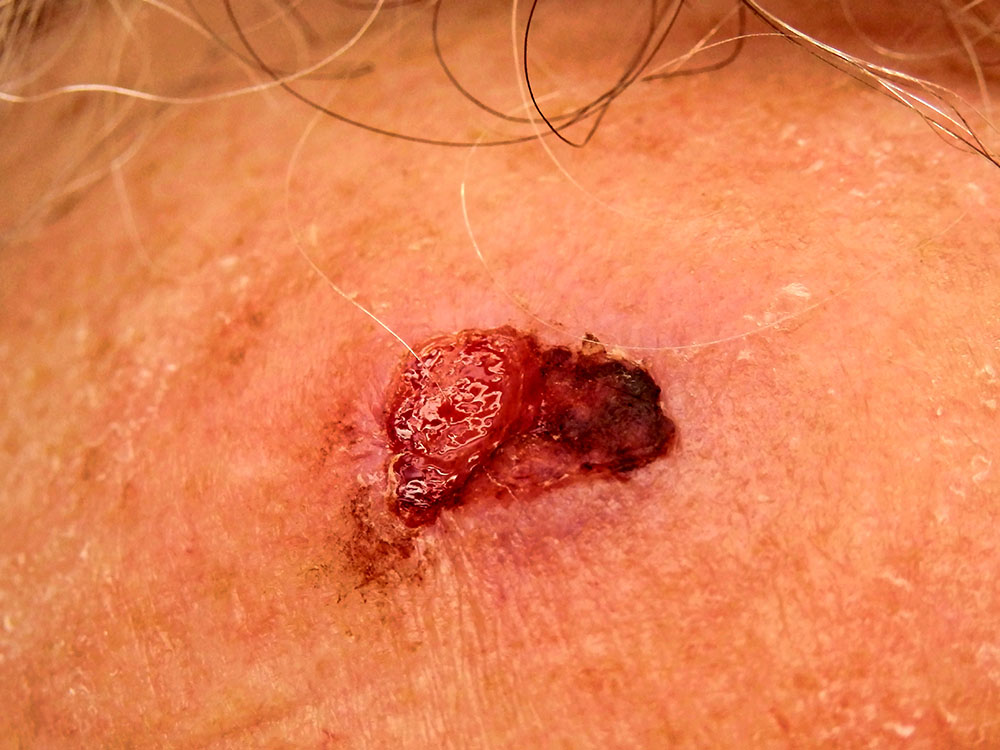
Skin cancer is the most common form of cancer with millions of new cases diagnosed each year. Many people are aware that a new or changing skin lesion should be checked, however there are some lesser-known sites on the body where skin cancer can develop. Here, we discuss some of the surprising locations where skin cancer can occur.
1. The palms and soles
Although the soles of our feet rarely receive direct sunlight, they can still be susceptible to skin cancer. For example, acral lentiginous melanoma, a rare form of melanoma can appear on the palms of the hand or the soles of the feet. This type of skin cancer is more common in people with darker skin tones, and often presents as a flat, irregularly-shaped lesion.
2. Underneath the nails
Skin cancer can also develop underneath your fingernails and toenails. Known as subungual melanoma, this is another rare form of skin cancer which typically appears as a dark streak under the nail. It can be mistaken for a bruise or fungal infection. Regularly inspect your nails for any pigmentation or other changes, and consult a dermatologist particularly if you notice any dark streaks.
3. The scalp
Even in the presence of hair The scalp is still exposed to UV radiation. There is increased UV exposure when when there is hair loss and this inreases the risk of skin cancer. Basal cell carcinoma, squamous cell carcinoma, and melanoma can all develop on the scalp. To protect your scalp from sun damage, wear a wide-brimmed hat when outdoors or apply sunscreen to any exposed areas.
4. The eyelids
The delicate skin on our eyelids is highly susceptible to sun damage, making it a potential site for skin cancer. Basal cell carcinoma is the most common form of skin cancer on the eyelids, followed by squamous cell carcinoma and melanoma. To protect your eyelids from harmful UV rays, wear sunglasses with UV protection and apply a broad-spectrum sunscreen around your eyes.
5. The genitals
Genital skin cancers are relatively rare but can be aggressive if not detected early. Human papillomavirus and the presence of an inflammatory skin condition known as lichen sclerosus has been linked to an increased risk of developing genital skin cancers, particularly squamous cell carcinoma. To reduce your risk, practice safe sex, get vaccinated for HPV if eligible, and perform regular self-examinations of the genital area.
6. The lips
Another surprising location for skin cancer is the lips, particularly the lower lip. Exposure to the sun's harmful UV rays can lead to the development of squamous cell carcinoma and basal cell carcinoma on the lips. In rare cases, melanoma can also occur. To protect your lips from sun damage, apply a lip balm with an SPF of at least 30 and reapply frequently when outdoors. Also, don't forget to wear a wide-brimmed hat to provide shade to your face and lips.
Conclusion
Skin cancer can develop in some unexpected places and as well as performing regular skin checks it is important to examine all of these sites. You should wear sun protection, such as sunscreen, protective clothing, and sunglasses, when exposed to the sun. If you are unsure about a skin lesion you should see a dermatologist with experience of skin cancer diagnosis.